Rural Schools in Finland: Small Communities With Big Learning






Nestled among serene lakes and endless forests, rural schools in Finland are a shining example of how small communities can nurture big learning. These schools reflect Finland's broader educational philosophy: equity, trust, and joy in learning. Here, children thrive not only academically but emotionally and socially, thanks to a system that values individuality, collaboration, and curiosity.
Imagine a classroom where every child is known by name, where teachers have the freedom to adapt lessons to each student’s interests, and where learning often happens outdoors, surrounded by nature. This is the reality in many rural Finnish schools. They embody a sense of belonging and connectedness that fuels lifelong learning.
The Finnish Philosophy of Education: Equal Opportunities Everywhere
Finland’s education system rests on one key belief: every child deserves an equal chance to learn, no matter where they live. Whether in bustling Helsinki or a quiet Lapland village, the quality of education remains consistent and high, supported by a national philosophy that blends equality with innovation.
The Finnish government not only invests heavily in ensuring that rural schools have access to the same resources, technology, and teacher training as urban schools, but also encourages local empowerment and decision-making. This ensures that each community can adapt education to its cultural identity and regional needs. Equal funding, free school meals, transport services, and digital connectivity make learning accessible to all students regardless of geography.
This commitment to equality is not merely a policy, it’s a moral and social value deeply embedded in Finnish culture. Rural education is seen as vital to maintaining Finland’s cultural heritage and fostering community cohesion. In many regions, schools become the center of village life, providing stability and opportunity.
Even in the smallest villages, schools are equipped with modern tools, skilled teachers, and supportive environments that promote both academic excellence and emotional well-being. This equality of opportunity and holistic approach is a cornerstone of Finland’s educational success and a major reason why rural schools in Finland are admired as models for the world.
Life and Learning in Rural Finnish Schools
A day in a rural Finnish school feels like being part of a large family, a description supported by educational research highlighting Finland’s strong school-community ties. Students often greet teachers by their first names, a common cultural practice reflecting Finland’s egalitarian approach to education and respect for mutual trust. Learning feels more like an interactive dialogue than a formal lecture, emphasizing participation and curiosity. Small class sizes, typically ranging from 10 to 20 students in rural areas, ensure that each child receives personalized attention and that teachers can focus on individual progress.
These rural schools often act as the heart of their communities. According to the Finnish National Agency for Education, many small schools double as cultural and social centers, hosting events such as musical performances, art exhibitions, and public discussions. Learning regularly extends beyond the classroom walls. For example, students study ecosystems by the nearest lake to understand biodiversity, measure growth in school gardens to apply mathematical concepts, or record oral histories from local elders to connect with regional heritage.
The beauty of rural education in Finland lies in its deep connection to the environment and local culture. Nature-based education is a well-documented element of Finnish pedagogy, with teachers using forests, lakes, and farms as living laboratories to explore science, art, and sustainability. Programs like "Forest Schools" and outdoor learning initiatives reinforce environmental awareness and creativity, allowing students to experience firsthand how learning and nature coexist harmoniously.
Teacher Autonomy and Innovation in Rural Education
In Finland, teachers are trusted professionals whose role extends far beyond delivering lessons. This trust empowers them to innovate, adapt, and personalize their teaching to suit their students’ unique learning paths. Especially in rural schools, teachers enjoy a high degree of autonomy, they design lessons based on local culture, community needs, and the surrounding natural environment. This autonomy reflects Finland’s belief that those who work closest to students are best positioned to make educational decisions.
Teachers in rural Finland often blend traditional knowledge with modern pedagogy. For instance, a science lesson might combine textbook theory with outdoor field experiments, or a history project could involve collecting oral histories from village elders. Many schools integrate interdisciplinary learning, where subjects like art, environmental science, and language intertwine to create meaningful, real-world learning experiences. This flexibility nurtures creativity and critical thinking, leading to deeper learning and stronger student engagement.
Finland’s teacher education is among the most rigorous in the world. Every teacher holds a master’s degree in education or a related field, which includes extensive training in research, psychology, and classroom practice. Teacher preparation programs emphasize reflective practice and evidence-based teaching methods. Continuous professional development, often supported by local municipalities and universities, is a core part of the Finnish teaching culture, allowing educators to integrate the latest research on learning, inclusion, and technology into their classrooms.
Rural teachers also collaborate closely through national and regional networks such as the Finnish Teacher Education Forum, sharing best practices and innovations that enhance educational equity across all regions. This professional trust and collaboration make Finnish teachers not just educators but community leaders and lifelong learners.
Community and Connection: The Heart of Rural Education
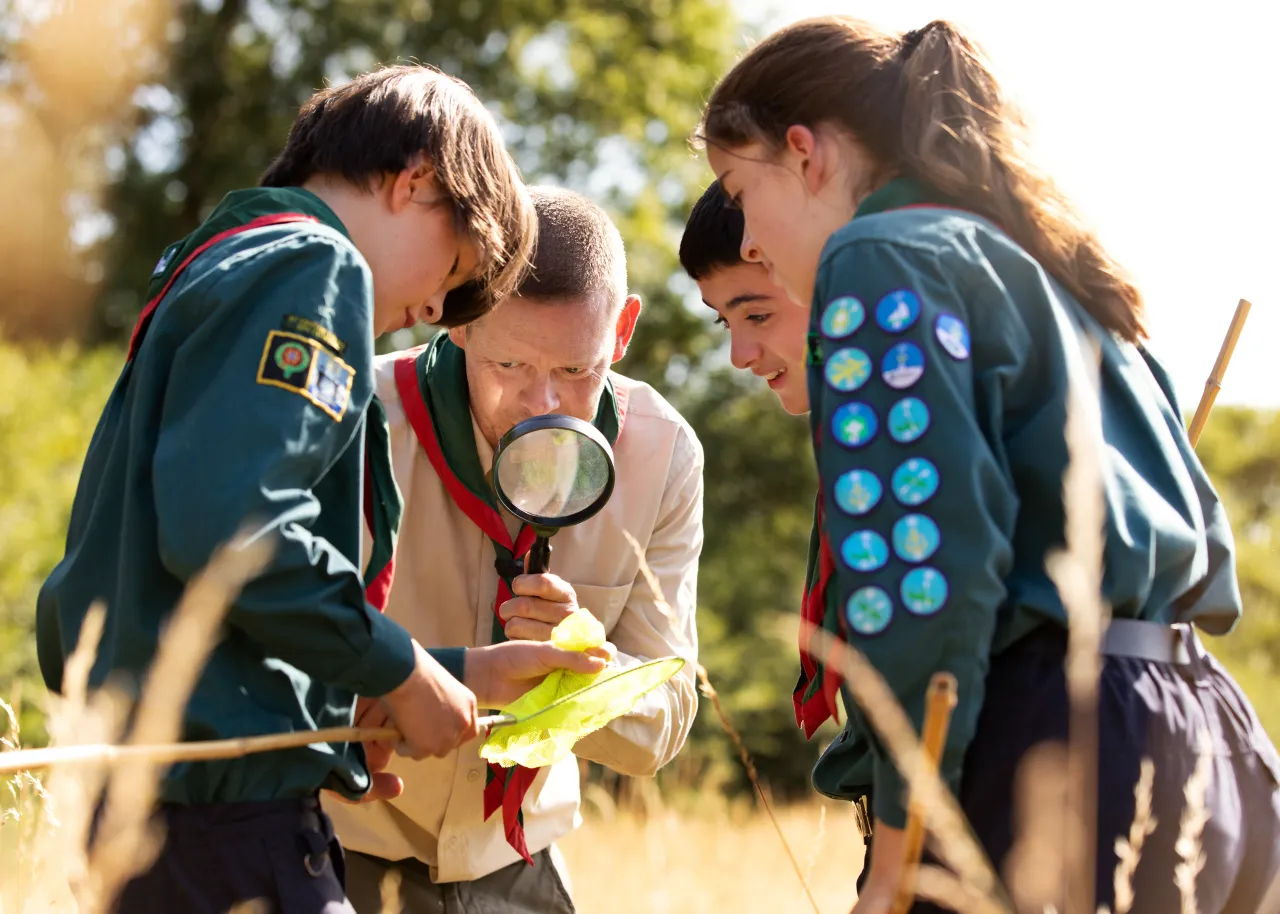
Rural schools in Finland are not just educational institutions, they are the beating heart of their communities. Teachers, parents, and local organizations work closely together to create a nurturing environment where every child feels supported. This community-based approach is well-documented by the Finnish National Agency for Education, which highlights rural schools as vital hubs for local development and lifelong learning.
For instance, the Korpilahti School in Central Finland integrates local crafts and environmental projects into its curriculum, collaborating with regional artisans and conservation groups. In Salla, a Lapland municipality near the Arctic Circle, teachers and community members run intergenerational learning days where students learn traditional skills such as reindeer herding and Sami storytelling. Meanwhile, Pielavesi Primary School in Eastern Finland has earned recognition for hosting annual community art festivals that draw participation from families, artists, and senior citizens, turning education into a shared cultural celebration.
These schools often double as community centers. Parents volunteer in classrooms, share local traditions, and participate in decision-making through school councils and local boards. This collaborative spirit strengthens trust and reinforces the idea that education is a shared responsibility that extends beyond the school walls.
In small towns, schools also play a vital social role. They host celebrations, art festivals, and cultural events that bring generations together, fostering social cohesion and civic pride. These real examples illustrate how the Finnish model transforms rural education into a living partnership between schools and their surrounding communities, building not only knowledge but also empathy, cultural continuity, and belonging.
Modern Technology in Remote Schools
Contrary to common belief, rural schools in Finland are highly advanced in technology integration. According to Statistics Finland (Tilastokeskus), over 99% of Finnish schools have access to high-speed broadband, and 95% of students regularly use digital tools as part of their learning. Thanks to Finland’s strong digital infrastructure, even schools in remote regions maintain stable internet connections and participate in national digital learning initiatives such as the eKoulu program, which supports online collaboration and remote teaching.
Digital literacy is taught from an early age, beginning in primary education under the National Core Curriculum 2016, which integrates coding and ICT skills across subjects. The Finnish National Agency for Education reports that nearly 87% of teachers use digital learning platforms weekly, with rural schools showing similar adoption rates as urban counterparts. Students use tablets, robotics kits, and online collaboration tools like Google Classroom or Oppimisalusta to complement traditional instruction. Teachers are trained to use technology meaningfully, ensuring it enhances creativity and critical thinking rather than replacing human interaction.
Through national programs like the “Digital Leap in Education” initiative, Finland ensures that no student is left behind in the digital era. The Ministry of Education and Culture’s 2023 report confirms that more than €260 million has been invested in digital tools and teacher training since 2016. This ongoing investment in digital equity reinforces Finland’s educational philosophy of fairness and inclusion, ensuring that technological access and competence are universal, from Helsinki’s city schools to Lapland’s remote classrooms.
Holistic Learning: Beyond Grades and Exams
One of the hallmarks of rural schools in Finland is their emphasis on holistic development, a principle that has been recognized internationally for promoting both academic and emotional growth. Instead of focusing solely on grades, Finnish educators prioritize well-being, creativity, and lifelong learning, as outlined in Finland’s National Core Curriculum for Basic Education (2016). This framework ensures that social skills, empathy, and environmental awareness are integral parts of every student’s experience.
There are no high-stakes standardized tests in basic education. Teachers assess students through continuous observation, feedback, and dialogue, using diverse methods such as learning portfolios, peer assessments, and project-based evaluations. This approach reduces stress and nurtures intrinsic motivation, a factor supported by OECD research showing that Finnish students report higher learning satisfaction and lower anxiety levels compared to the global average.
Nature and physical activity play a major role in rural learning. Outdoor playtime is not just encouraged, it’s essential and often legally mandated through school health and safety regulations. According to the Finnish National Agency for Education, students in rural areas spend an average of 90 minutes per day outdoors, engaging in physical activities, nature walks, and hands-on experiments. These daily experiences cultivate resilience, cooperation, and mindfulness, demonstrating how connection to nature enhances concentration and overall well-being.
Success Stories: Lessons from Finland’s Countryside
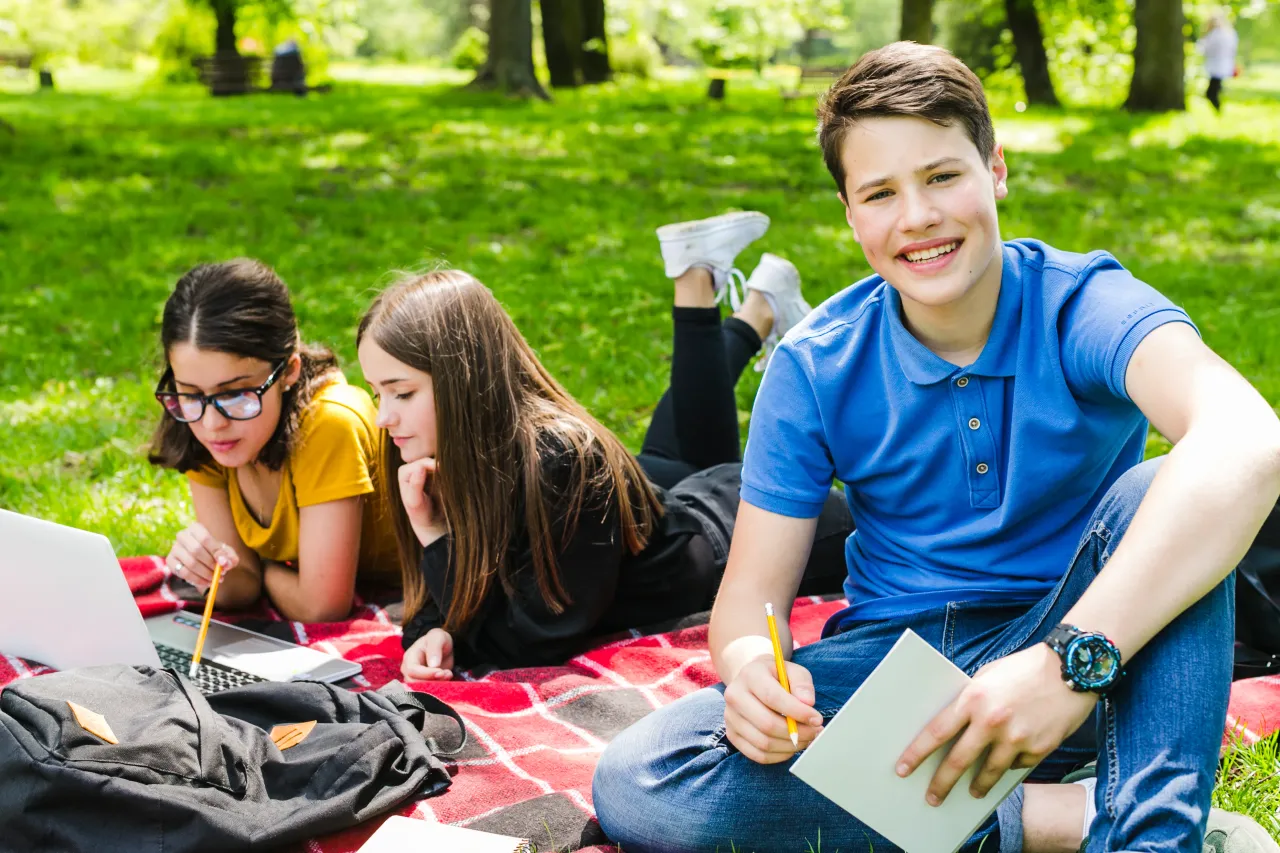
Across Finland, rural schools are producing exceptional results. Many small schools outperform national averages in both academic and well-being indicators. The secret? Close-knit communities, motivated teachers, and personalized education.
For example, in one northern village, a school with only 50 students became a national model for sustainability education. Teachers collaborated with local farmers and artisans, creating a curriculum centered on ecology and entrepreneurship.
Another inspiring case is Vuonislahti School in North Karelia, which has gained national recognition for its innovative cultural heritage program. Students work with local museums and elders to preserve the region’s dialects, crafts, and stories, combining history, language, and art. This collaboration was highlighted by the Finnish Broadcasting Company (YLE) as a model of integrating local identity into modern education.
Similarly, Rautavaara Comprehensive School in Northern Savonia implemented a community-led technology initiative, providing every student with tablets and training sessions for families to promote digital literacy. Supported by Finland’s Ministry of Education and Culture, the project reduced digital inequality and improved student engagement, resulting in above-average digital competency scores in national evaluations.
Visitors from around the world, educators, policymakers, and researchers, frequently travel to these rural schools to learn how community-based education fosters innovation and equality. These success stories, documented by EDUFI and national education networks, underscore Finland’s ability to turn small-scale schooling into a laboratory of excellence that benefits both students and communities.
Historical Context: From Local Roots to Global Recognition
The story of Finland’s rural education system begins in the early 20th century, when the nation prioritized literacy and equity as foundations for nation-building. The first comprehensive education laws, established in 1921, made primary education compulsory and free for all children, ensuring that even remote communities had access to schooling. Post–World War II reforms expanded teacher training colleges and improved infrastructure, solidifying Finland’s commitment to equal access regardless of geography.
During the 1970s, the Finnish comprehensive school reform (peruskoulu) merged separate academic and vocational tracks into one unified system. This reform, built on the values of equality and inclusion, greatly benefited rural regions by guaranteeing consistent quality nationwide. By 1970, over 90% of Finnish children were attending comprehensive schools within five kilometers of their homes, according to the Ministry of Education and Culture. Later policy milestones, such as the Basic Education Act (1998) and the National Core Curriculum reforms (2014–2016), continued to emphasize decentralization, teacher autonomy, and equity between rural and urban schools. These historical steps created a foundation for the world-renowned model of rural schools in Finland we see today.
Educational Outcomes and Data: Evidence of Excellence
The strength of Finland’s rural schools is not only philosophical; it is measurable. Reports by the Finnish National Agency for Education (EDUFI) and Statistics Finland show that students in rural areas perform on par with, and often above, national averages in both academic and well-being indicators.
- Academic Achievement: According to EDUFI’s 2022 Basic Education Report, rural schools achieve literacy and numeracy levels within 2% of urban averages, despite smaller class sizes and fewer resources. The average student-teacher ratio in rural Finland is approximately 1:10, compared to 1:14 nationally, allowing for more individualized instruction.
- Student Well-Being: OECD research from the 2018 PISA assessment revealed that Finnish students reported 30% lower stress levels and higher satisfaction with school life than the OECD average. Rural students in particular cited strong teacher relationships and outdoor learning as major contributors to happiness and motivation.
- Equity and Inclusion: Over 99% of Finnish students complete compulsory education, with dropout rates in rural municipalities remaining below 1%. This impressive figure highlights the effectiveness of community-based support and early intervention systems.
- Digital Competence: Following national digital initiatives, over 95% of students in rural areas use technology weekly in learning, narrowing the urban-rural gap to nearly zero.
These statistics demonstrate that Finland’s model of local autonomy, small-scale schooling, and strong community networks sustains both academic excellence and student well-being, even in remote settings.
Future of Rural Education in Finland: Innovation and Sustainability
As Finland looks toward 2030 and beyond, rural education continues to evolve with innovation, sustainability, and inclusion at its core. The Ministry of Education and Culture’s “Vision for 2030” emphasizes lifelong learning, digital citizenship, and sustainable development as key pillars of national education strategy.
Embracing Sustainability and Climate Education
Rural schools play a central role in Finland’s transition toward a green economy and climate-resilient society. Many schools now incorporate climate literacy, renewable energy projects, sustainable agriculture, and circular economy principles into their curricula. For instance, the Kuhmo Eco-School Initiative involves students in reforestation projects and biodiversity studies, linking science with community-based conservation. In addition, Lapinjärvi Primary School has installed solar panels managed by students as part of their energy education lessons, helping reduce the school’s carbon footprint. According to the Finnish National Agency for Education (EDUFI), over 70% of Finnish schools participate in sustainability programs such as the “Green Flag” initiative. These projects empower young learners to become environmental stewards and innovators in their local communities.
Expanding Digital and Remote Learning Opportunities
Advancements in digital platforms are allowing small schools to connect across regions and collaborate globally. Through virtual exchanges and remote classrooms, students in Lapland can co-create digital projects with peers in Helsinki or even international partner schools. The national “New Competence in Education” program, launched in 2021, supports schools in using augmented and virtual reality for immersive learning experiences. Hybrid learning models also help address teacher shortages by allowing experts from universities and vocational colleges to teach specialized subjects remotely. EDUFI data from 2023 show that 92% of rural schools now use online collaboration platforms weekly, ensuring that no student is isolated from opportunity.
Supporting Teacher Recruitment and Professional Growth
To maintain educational equity, Finland continues to invest in rural teacher support programs. The government provides housing allowances, relocation incentives, and digital learning hubs for teachers in remote regions. The Teacher Development Network (Opettajaverkosto) offers professional mentorship, research partnerships, and annual innovation camps where educators exchange ideas on pedagogy and technology. In 2023, the Ministry of Education reported that over 1,500 teachers benefited from these networks, contributing to improved teacher retention and satisfaction in rural municipalities. Universities like the University of Jyväskylä and the University of Lapland have also launched “Rural Pedagogy” courses to train future educators in place-based and community-oriented teaching.
Strengthening Global Educational Partnerships
Finland’s rural education system continues to attract international attention for its sustainability and innovation. Partnerships with UNESCO and the OECD promote global collaboration on climate education, equity, and digital transformation. The UNESCO Schools Network in Finland now includes several rural schools that participate in global peace and sustainability projects. Additionally, Finland’s collaboration with the Nordic Council of Ministers and the European Commission fosters teacher exchanges and comparative research in rural education. These partnerships turn Finland’s countryside schools into living laboratories for 21st-century learning, places where innovation, community, and culture meet to inspire educators around the world.
The future of rural schools in Finland is rooted in adaptability. By combining tradition with forward-thinking innovation, Finland is ensuring that every child, whether from a coastal town or a forest village, remains part of a vibrant, equitable, and globally connected learning community.

How the World Can Learn from Finland’s Rural Schools
Finland’s rural schools demonstrate that educational excellence does not depend on size or location. Instead, it grows from trust, equity, and human connection. These principles can inspire education systems worldwide.
Other countries can learn from Finland’s approach to decentralization, where teachers, not politicians, decide what happens in classrooms. The Finnish model shows that small communities can lead big change when they prioritize collaboration, respect, and joy in learning.
Experience It Yourself: Book a School Visit in Finland
There’s no better way to understand Finland’s education system than to experience it firsthand. Through TechClass, educators, administrators, and policymakers can book school visits in Finland to see the remarkable schools in action.
Visitors can interact with teachers, observe classroom practices, and engage with students in authentic learning environments. It’s an opportunity to witness how small communities cultivate big dreams.
Join TechClass in discovering the transformative power of Finnish education and bring those lessons home to inspire your own schools and communities.
Small Communities, Big Dreams
Rural schools in Finland remind us that greatness often grows in the most humble places. With strong community bonds, dedicated teachers, and a deep respect for every child’s potential, these schools prove that quality education is not about scale; it’s about heart.
As the world searches for models of educational innovation, Finland’s countryside offers a beacon of hope and inspiration. Step into these small schools, and you’ll find a big lesson: that when education is rooted in care and community, learning truly knows no limits.
Frequently asked questions
Do rural schools in Finland offer the same quality as city schools?
Yes. Finland funds rural and urban schools equally, providing comparable resources, skilled teachers, technology, free school meals, and transport. The article reports rural students perform within about 2% of urban averages in literacy and numeracy.
How do rural Finnish schools use technology despite their remote locations?
Strong national digital infrastructure gives even remote schools high-speed broadband, and initiatives like the eKoulu program and the Digital Leap in Education support online collaboration and remote teaching. Rural schools adopt digital tools at rates similar to urban schools.
What makes rural Finnish schools distinctive compared to other systems?
They combine small class sizes, teacher autonomy, outdoor and nature-based learning, and deep community partnerships. Schools often double as cultural and social centers, with parents and local organizations actively involved in school life.